Pakistan: A Thousand Years of Cultural Heritage
Starting from the capital, Islamabad, and ending in the financial hub of Karachi, I will spend 14 days experiencing the interweaving of ancient civilizations and modern life across this land.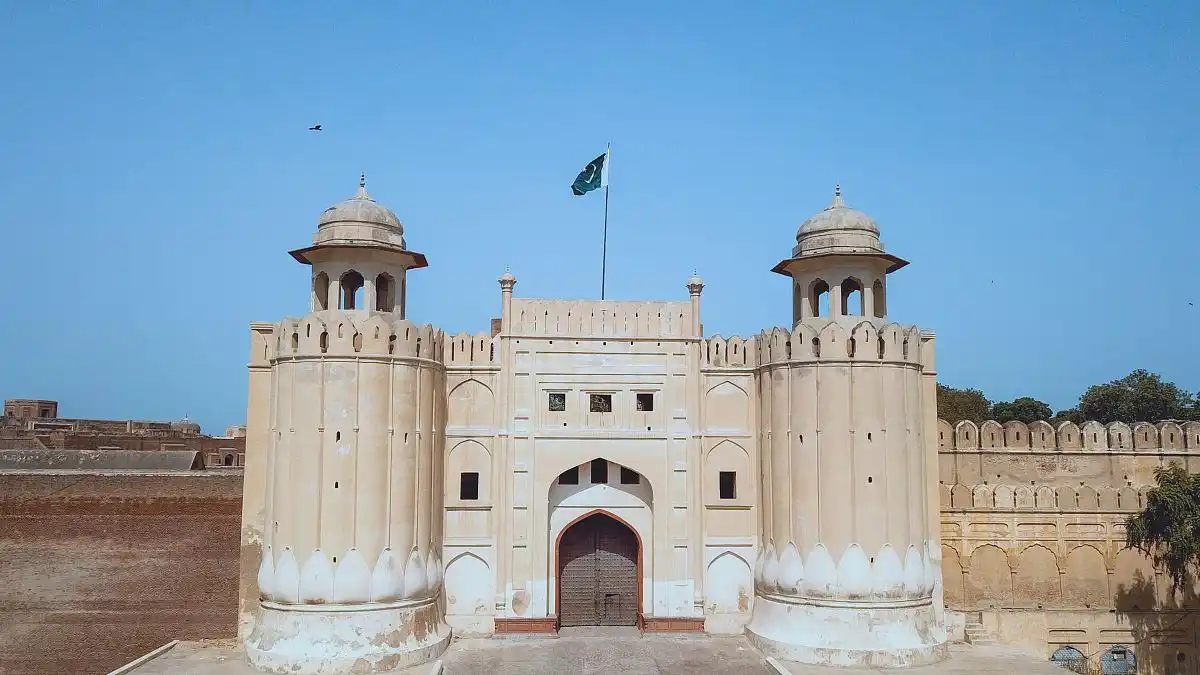
On this journey, I look forward to quietly lingering in museums, carefully observing the exhibited artifacts, and feeling the history and stories they carry. There are no crowded tourist masses here, no “do not touch” warning signs—only respect for culture and its inheritance.
Islamabad: First Encounter with Serenity
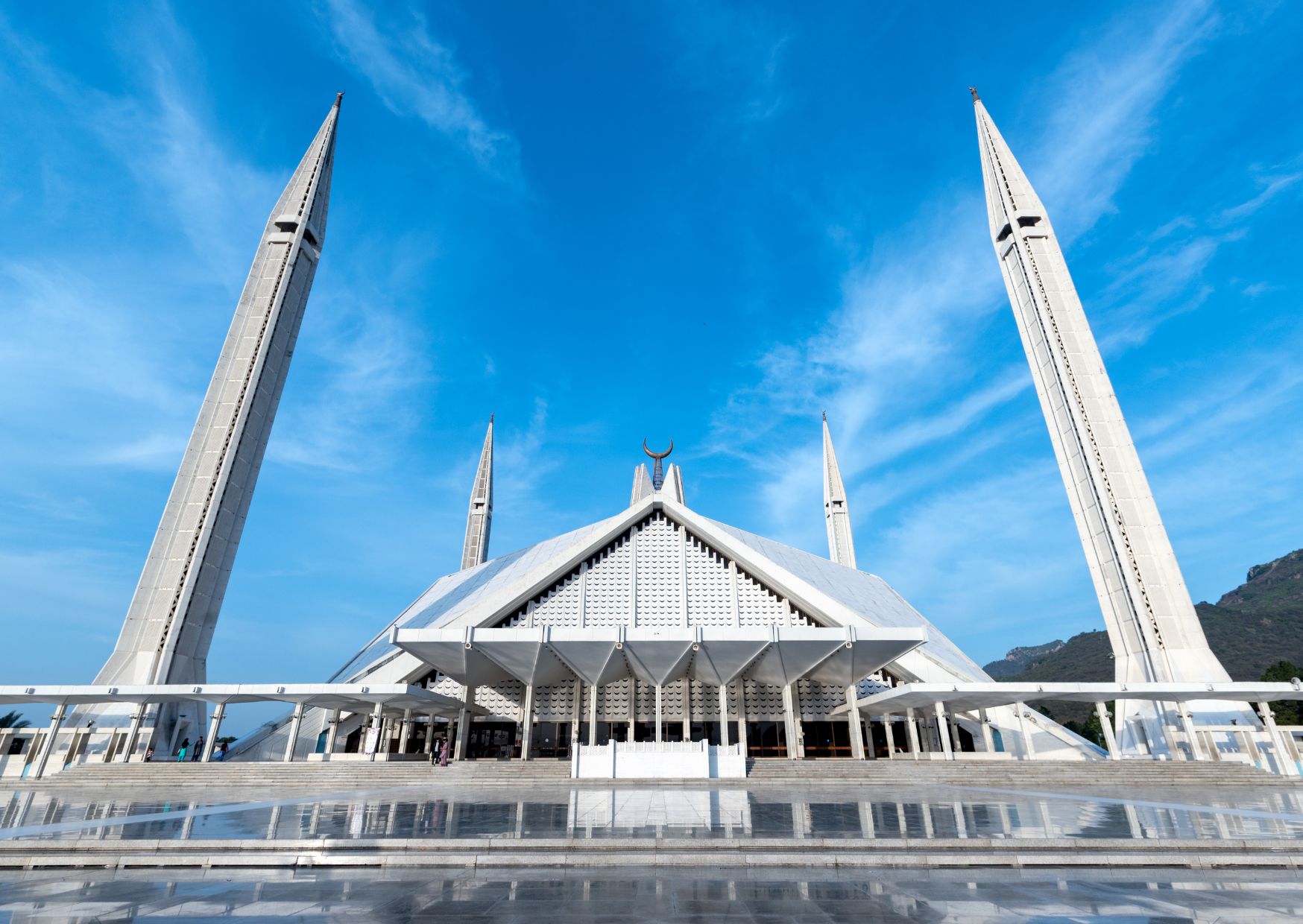
Islamabad, though a modern city, holds deep cultural roots. I visited the Faisal Mosque, the largest mosque in Pakistan. Its white structure looked especially sacred under the sunlight.
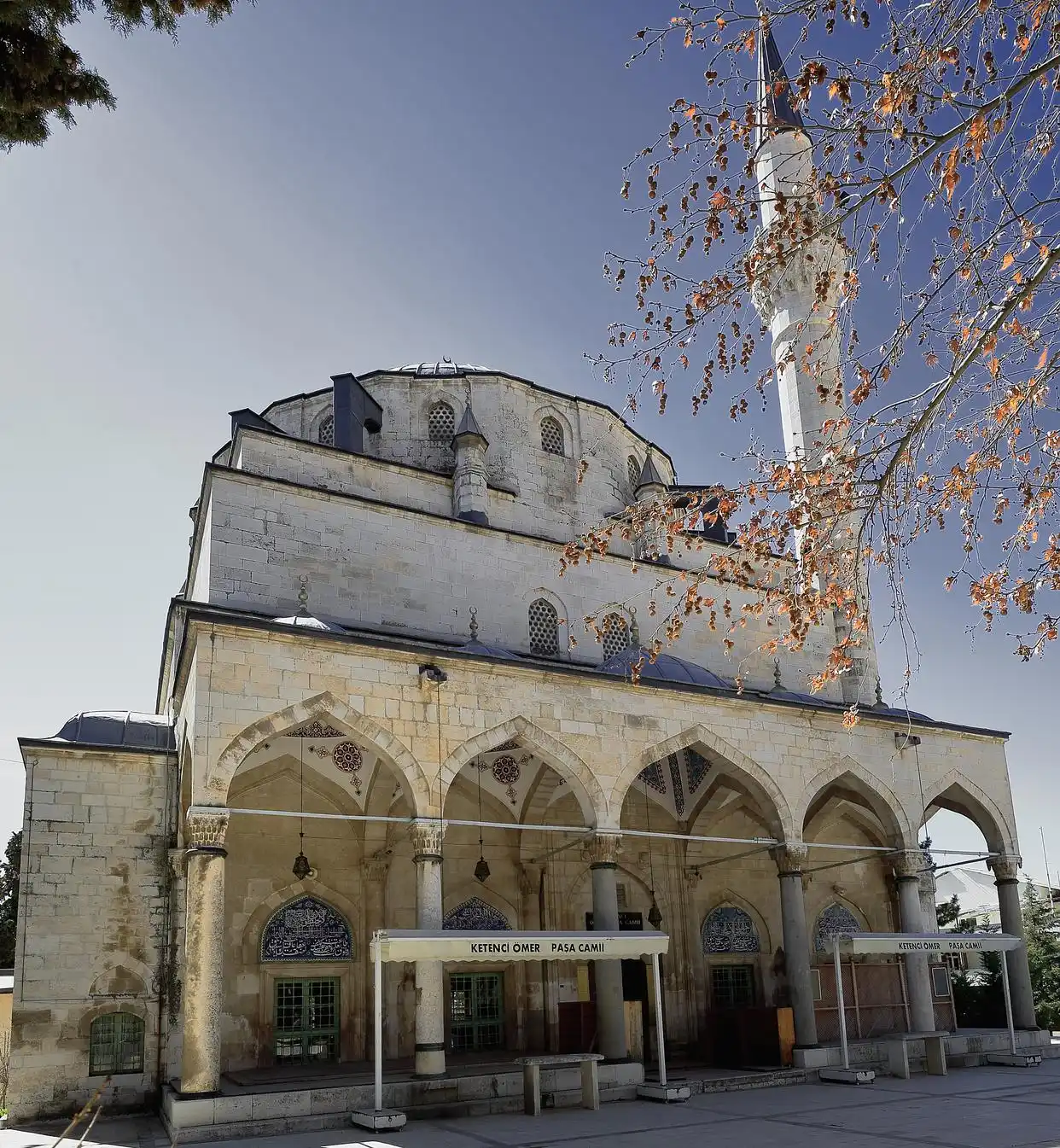
Walking through the Lok Virsa Museum, I felt as if I had traveled through time and met ancient Pakistan face to face.
From the hilltop viewpoint of Daman-e-Koh, I overlooked the entire city and felt its calm and harmony. Meanwhile, the Golra Sharif Railway Museum allowed me to explore Pakistan’s railway history—each exhibit seemed to whisper stories of the past.
Taxila: The Charm of Gandhara Art
Departing from Islamabad, I drove to Taxila, once a major Buddhist center and now a treasure house of Gandhara art.
I wandered among the stupas and monasteries of Jaulian Buddhist Monastery, feeling the atmosphere of Buddhism from thousands of years ago. The remains of ancient structures and stupas still stand despite the erosion of time, as if narrating their former glory.
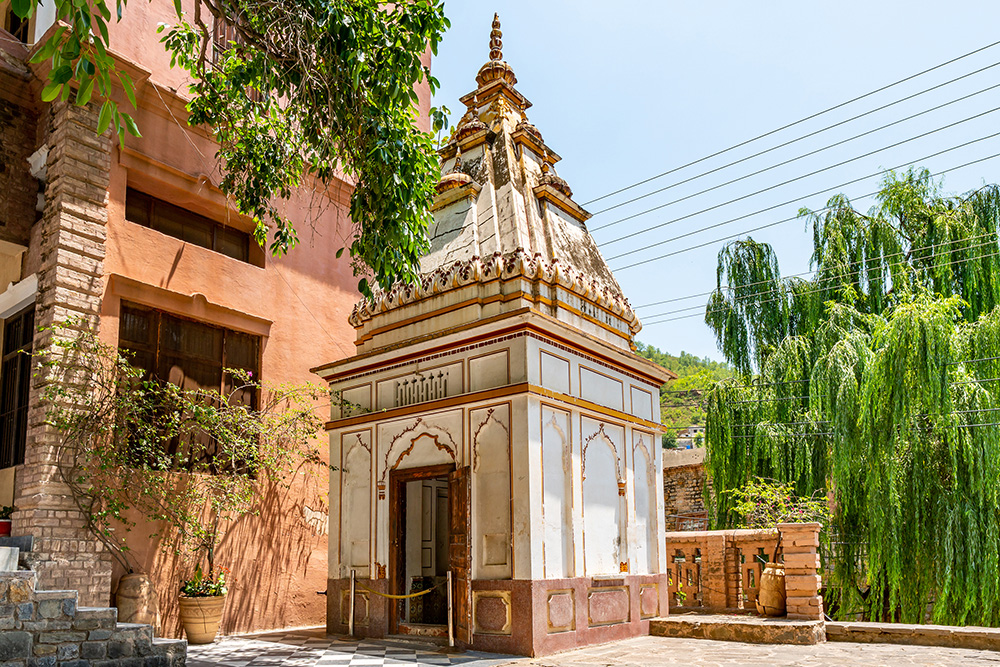
Here, I also visited a truck painting workshop in Taxila. Looking at these vibrantly decorated trucks, I felt the passion and creativity of the Pakistani people. The Gurdwara Panja Sahib in nearby Gujranwala also allowed me to sense the devotion and reverence of local faith.
Lahore: The Fusion of Ancient and Modern
Lahore is the cultural heart of Pakistan.
I visited the Lahore Fort, a magnificent structure built under the Mughal emperor Shah Jahan, witnessing the historical transformations of the region.
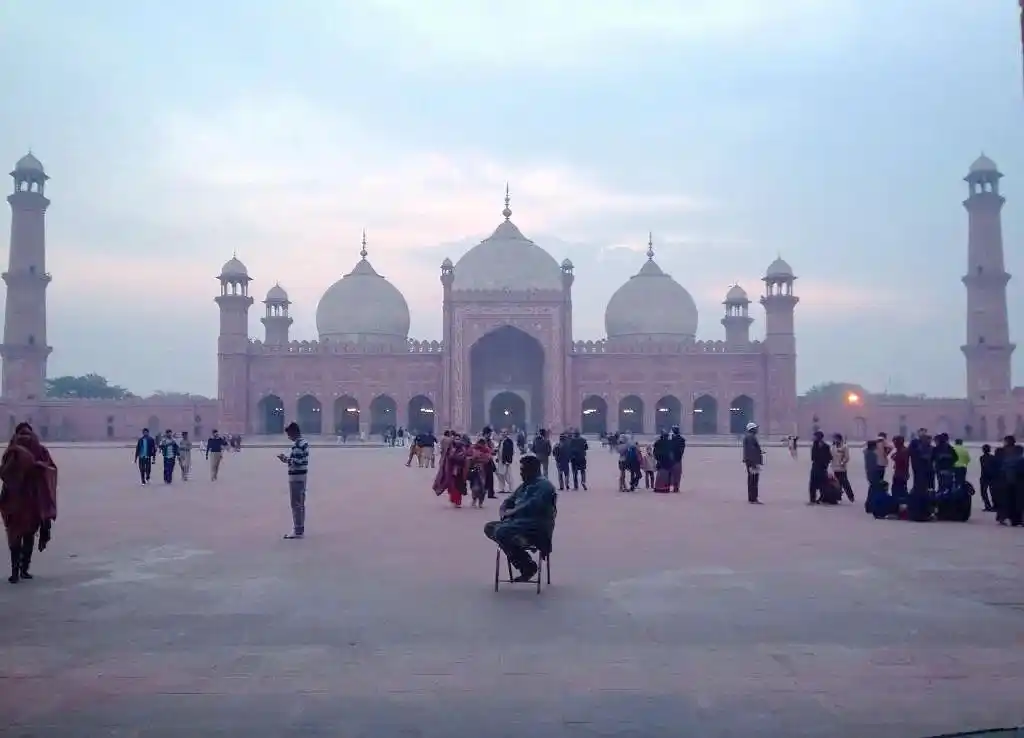
The grandeur of the Badshahi Mosque left me in awe, while the Lahore Museum displayed one of the largest and most representative collections of miniature paintings in South Asia—each piece telling its own story.
In Anarkali Bazaar, I felt the vitality and antiquity of the city. The handicrafts and food there were unforgettable, like a grand cultural feast.
At the Wagah border between Pakistan and India, I witnessed the solemn and powerful flag-lowering ceremony at Wagah Border Ceremony—a display of national pride and respect.
Harappa and Multan: Imprints of Civilization
Leaving Lahore, I drove to Harappa, an important archaeological site of the Indus Valley Civilization. Here, I saw the continuity of 5,000 years of culture in Pakistan—ancient structures and artifacts reflecting the strength of civilization.
Multan, the “City of Saints,” left a deep impression on me. From the highest point of Damdama Multan, I overlooked the city and felt its tranquility.
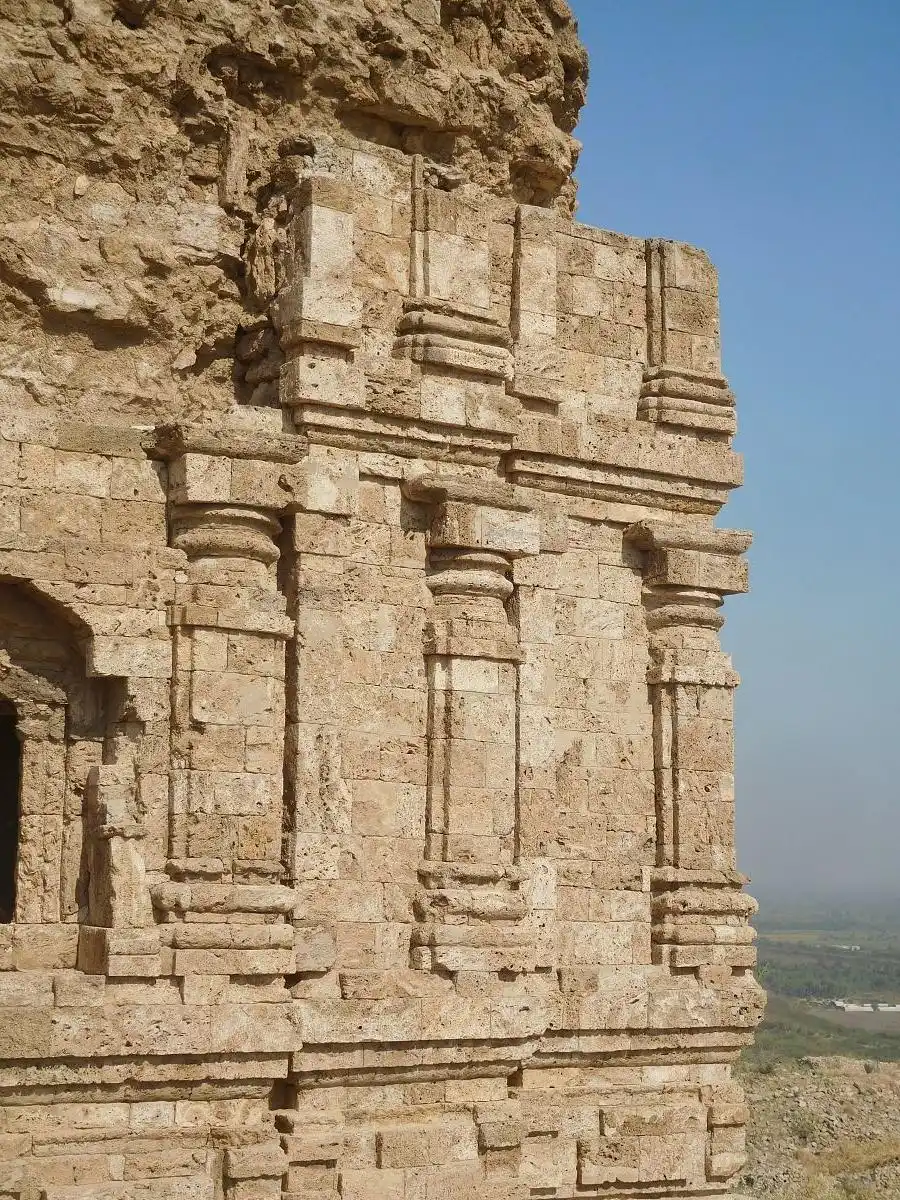
The blue pottery and camel skin artwork of Multan showcased the artistic talent and creativity of local artisans.
Derawar Fort & Sukkur: Wonders in the Desert
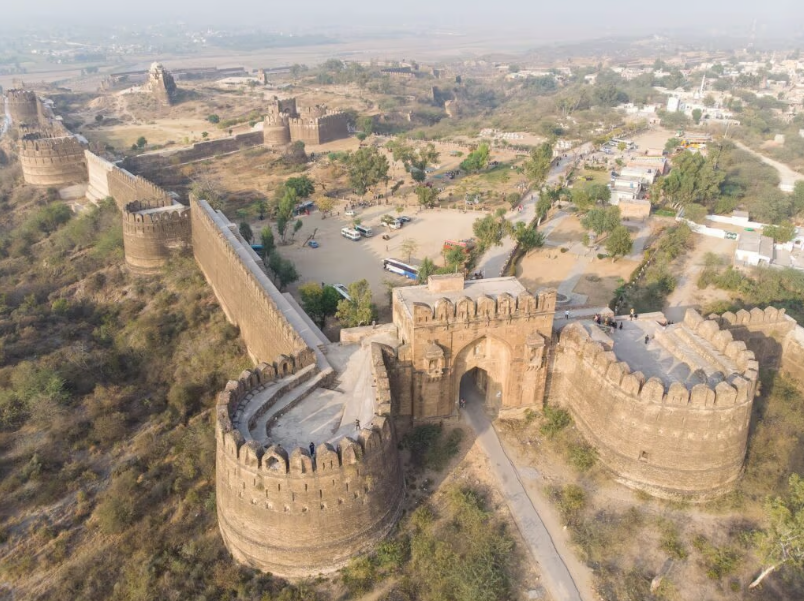
In the Cholistan Desert, I visited Derawar Fort, an ancient fortress dating back to the 9th century. Standing alone in the desert, it has witnessed the passage of time and historical transformation.
The Noor Mahal was another architectural marvel that amazed me with its intricate design and elegance.
In Sukkur, I explored the archaeological remains of Mohenjo-daro, a UNESCO World Heritage Site and one of the major centers of the ancient Indus Valley Civilization.
The shrine of Lal Shahbaz Qalandar Shrine introduced me to Sufi culture. The evening Sufi dance (dhamaal) left me deeply immersed in its spiritual rhythm.
Karachi: The Prosperity and Calm of a Financial Capital
Finally, I arrived in Karachi, Pakistan’s financial capital.
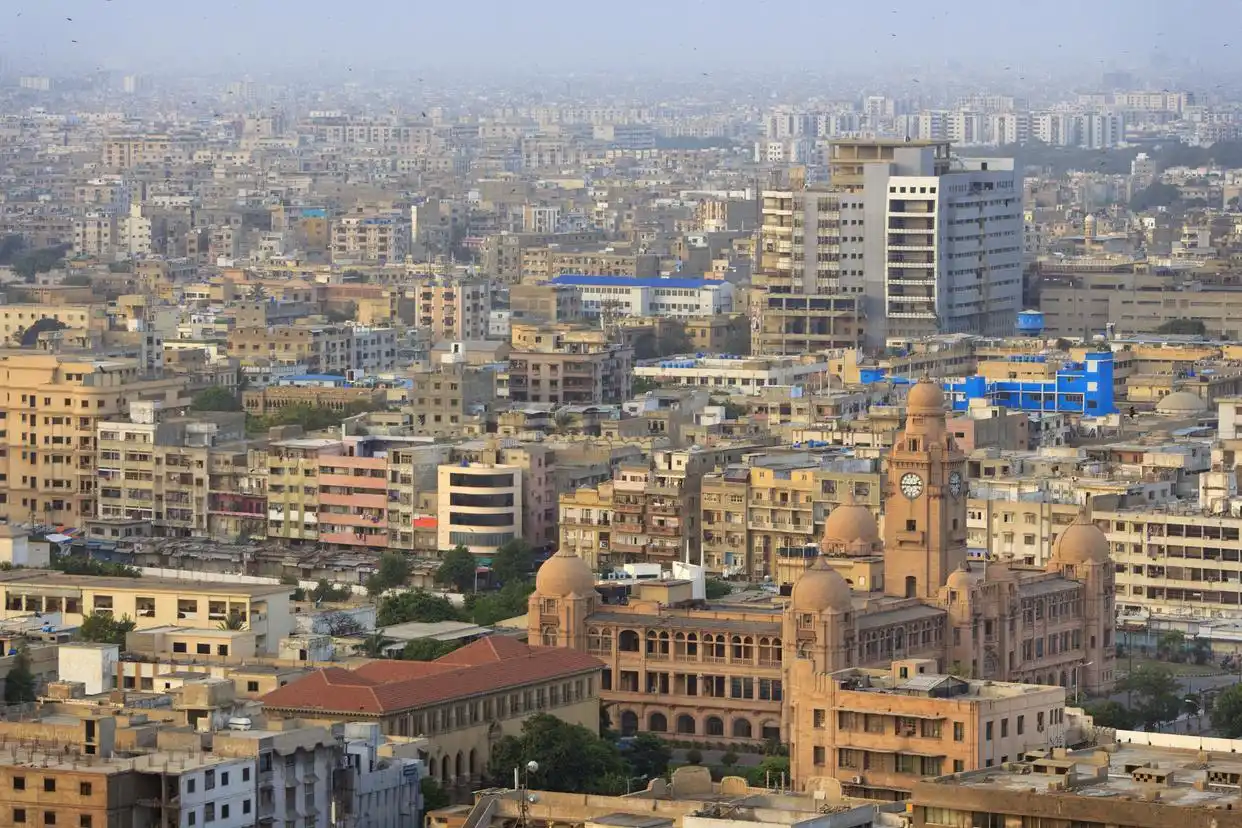
The National Museum of Pakistan presented a complete cultural timeline from the Stone Age to the birth of Pakistan, giving me a deeper understanding of the country.
Frere Hall, Mohatta Palace, and the Tooba Mosque all revealed the historical and cultural layers of the city.
The Mazar-e-Quaid, the resting place of Muhammad Ali Jinnah, the founder of Pakistan, was my final stop. Standing there, I felt hope for Pakistan’s future.
This journey across Pakistan completely reshaped my understanding of the country. It is not a land defined by conflict, but one rich in culture, history, and vitality. I encountered warmth and kindness from its people, and was deeply moved by its cultural depth and heritage.
It was an unforgettable journey—one that brought me knowledge, emotion, and personal growth.